Itchy Anus: Causes, Why It's Worse at Night & How to Stop It
An itchy anus (medically known as pruritus ani) is incredibly common and usually stems from simple, manageable skin irritation. It happens when the delicate perianal skin barrier gets disrupted by moisture, friction, residual stool, or reactive ingredients. Finding quick relief starts with figuring out which specific trigger is setting off your skin.
What's causing your itchy anus?
Matching what you actually notice in the bathroom to a specific trigger makes solving the problem much faster.
| If you notice… | Likely cause | First thing to try |
| Itch worse after sweating, sitting all day, or wearing tight clothes | Moisture and friction | Keep the area completely dry and switch to loose cotton |
| Itch right after you poop | Residue or over-wiping | Switch from aggressive dry paper to a gentle rinse and pat dry |
| Itch started after a new soap, wipe, detergent, or toilet paper | Contact irritation | Stop using the product immediately and rinse with plain water |
| A soft lump, mucus, or bright red blood on the paper | Hemorrhoids | Calm the outer skin with gentle hygiene and avoid straining |
| Sharp pain when pooping, plus an annoying itch | Anal fissure | Soften your stool with fiber and water to reduce tearing |
| Worst at night, and there is a young kid in the house | Pinworms | Consult a doctor or pharmacist for an over-the-counter treatment |
| Itch spikes after coffee, spicy food, citrus, or alcohol | Diet trigger | Temporarily eliminate the specific food or drink |
| Red, scaly, or patchy skin on other parts of your body too | Skin condition (eczema, psoriasis) | See a dermatologist to address systemic skin inflammation |
Moisture and sweat
Trapped sweat and friction break down the skin barrier in your gluteal cleft, creating a damp environment where tiny amounts of bacteria thrive. For a full breakdown on managing sweat and friction down there, read our guide on How to Stop Swamp Ass.
Stool residue and over-wiping
Microscopic stool particles contain active digestive enzymes designed to break down food, which causes rapid chemical irritation when left sitting on outer perianal skin. Trying to scrub these particles away with dry toilet paper only creates microscopic abrasions that can make the burning and itching even more intense.
Contact irritation
The perianal area features some of the thinnest, most sensitive skin on your body. Chemical preservatives, artificial fragrances, methylisothiazolinone, and alcohol found in many flushable wipes or body washes can trigger irritation or allergic contact dermatitis in sensitive skin.
Hemorrhoids
Swollen hemorrhoidal tissue can prevent the anal seal from closing completely, allowing tiny amounts of mucus from the anal lining to seep out onto the outer skin. Learn why this happens and how to manage it in our complete guide, Why Do Hemorrhoids Itch?.
Anal fissures
A small tear in the lining of the anal canal causes sharp pain during bowel movements, followed by a persistent itch as the raw tissue tries to heal. Check out What The Hole? Your No-BS Guide to Anal Fissures to learn how to keep the area comfortable.
Pinworms
These microscopic intestinal parasites travel to the perianal skin at night to lay eggs, creating an intense, tickling itch. Because the eggs spread easily on bedsheets and door handles, doctors often recommend treating the entire household at the same time.
Diet triggers
Certain foods pass through the digestive tract without being fully broken down, altering the pH of your stool or irritating the tissue as it exits. Dietary irritants can also relax the anal sphincter muscle slightly, encouraging tiny leakage.
Skin conditions
Inflammatory skin conditions like eczema, psoriasis, or seborrheic dermatitis can target the perianal area just like any other patch of skin. This tissue often looks red or scaly and does better with gentle, barrier-supportive care than harsh cleansing. A dermatologist can help manage the underlying condition.
Why does my butt itch at night?
That unbearable midnight urge to scratch is driven by four physical triggers unique to sleeping:
-
Trapped body heat: Lying under heavy blankets raises your core body temperature, causing local blood vessels to dilate and amplifying the nerve signals that transmit itching.
-
Zero mental distractions: Without daytime tasks, work, or movement to process, your brain focuses intensely on sensory signals from your skin.
-
Nocturnal pinworm activity: If parasites are the underlying issue, female pinworms specifically migrate out of the rectum to lay eggs in the cool night air.
-
Accumulated daily buildup: Hours of sitting, walking, sweating, and wiping culminate in maximum skin barrier strain right when you crawl into bed.
How to stop an itchy anus
Calming your skin requires two distinct phases: immediate soothing tonight, followed by a simple daily maintenance routine.
Tonight
-
Rinse with cool or lukewarm water: Skip soap entirely tonight and use a hand-held bidet, showerhead, or peri bottle to clear away residue without friction.
-
Pat fully dry: Gently press a clean, soft cloth against the skin until all moisture is gone—never rub or drag the fabric across the area.
-
Apply a cool compress: Press a clean, cold washcloth against the outside of your underwear for 5 to 10 minutes to temporarily numb active nerve endings.
-
Wear loose, breathable cotton: Put on loose-fitting, 100% cotton underwear or pajama bottoms to let air circulate and prevent sweat from pooling.
-
Keep your hands off: Resist scratching at all costs, as fingernails tear fragile skin and introduce bacteria that re-trigger the itch cycle.
Every day
-
A 3-step daily routine: Cleanse the area once daily with a pH-balanced cleanser designed for perianal skin, pat completely dry, and apply a lightweight barrier serum to protect the skin from moisture and friction.
-
Cut back on dietary triggers: Reduce your intake of coffee, alcohol, hot sauces, and citrus for one week to see if your perianal skin settles down.
-
Boost fiber and water intake: Eat more high-fiber foods like oats, chia seeds, and leafy greens while drinking plenty of water to ensure smooth, effortless bowel movements that do not require aggressive wiping.
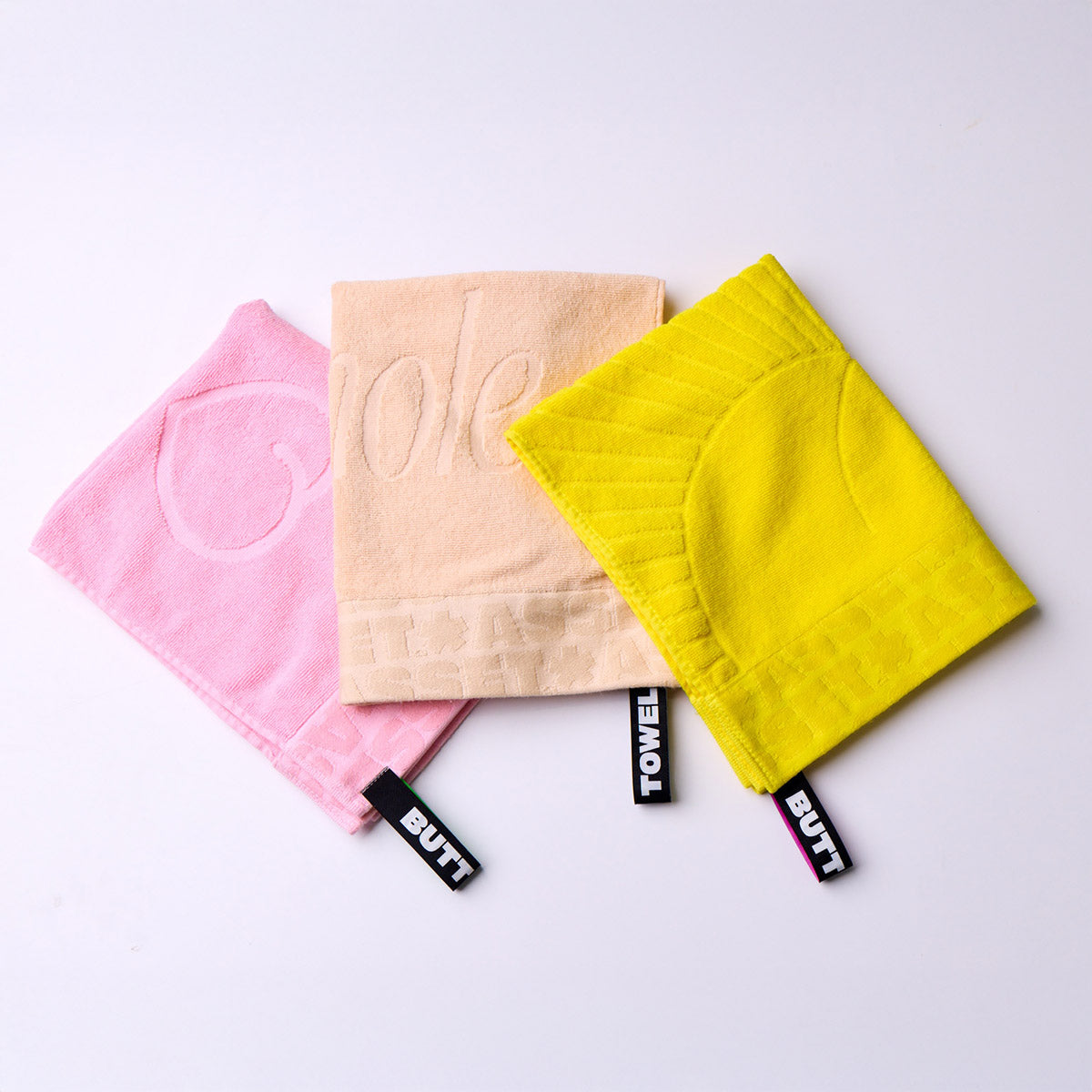
For simple daily maintenance, the Hole Essentials Duo provides a simple 2-step daily routine for sensitive perianal skin—featuring Hole Cleanser, which is pH-balanced and cleans without stripping the skin barrier, and Hole Serum, which soothes tender, stressed perianal skin while hydrating and supporting the skin barrier against everyday friction and irritation. For more complex issues, the Hole Control Duo offers a steroid-free 2-step routine for people prone to hemorrhoids and fissures that helps soothe discomfort and relieve irritation, especially when paired with The Butt Towel for gently patting dry.
When to see a doctor
While most perianal itching clears up with gentle care, you should schedule a medical evaluation if you notice:
-
Anal itching that lasts longer than 2 weeks despite consistent home care and removing common irritants.
-
Visible rectal bleeding, blood in the toilet bowl, or a hard, painful lump near the anal opening.
-
Unusual discharge, foul odor, or signs of a bacterial infection like spreading warmth and swelling.
-
Severe itching that disrupts your sleep on a nightly basis.
FAQ
Is an itchy anus a sign of something serious?
Rarely. The vast majority of anal itching is caused by simple moisture buildup, harsh wipes, or mild hemorrhoids. However, if the itch persists for weeks or comes with unexpected weight loss or severe pain, a doctor should evaluate it.
Why is my butthole itchy all of a sudden?
A sudden itch usually points to a recent change in your routine, such as using a new scented laundry detergent, switching toilet paper brands, experiencing a loose bowel movement, or spending a hot day sitting in sweaty clothes.
Can stress make my butt itch?
Yes. Psychological stress can contribute to inflammation and alter your skin barrier function, making sensitive nerve endings throughout your body far more reactive to minor irritants.
Is an itchy anus contagious?
An itchy anus itself is not contagious, as most cases are caused by simple skin irritation or hemorrhoids. The only notable exception is a pinworm infection, which can easily pass between family members through shared bedding, towels, or unwashed hands.
If you are dealing with a range of uncomfortable bottom symptoms, start with The Best Guide To Butt Issues to get straight answers and build a daily routine that helps keep your skin calm, balanced, and comfortable.